
Pregnancy in Monsoon: 10 Health Tips Every Expecting Mother Should Know

Introduction
The monsoon brings welcome relief from summer heat — but for expecting mothers, the rainy season also brings a unique set of health challenges.
Higher humidity, waterborne infections, mosquito-borne diseases, food contamination risks, and slippery roads can all affect pregnancy in monsoon if the right precautions are not taken.
The good news? With proper hygiene, safe nutrition, adequate hydration, and timely prenatal care — pregnancy during the rainy season can be managed safely and comfortably.
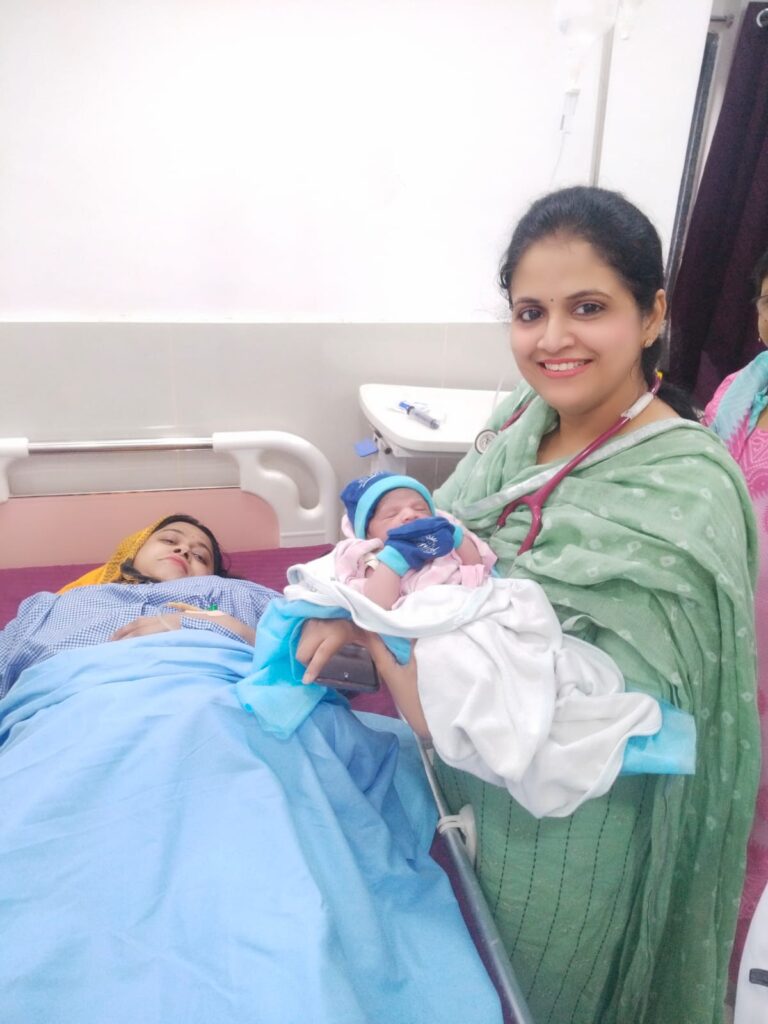
This guide covers 10 essential monsoon pregnancy tips recommended by Dr. Pragya Ojha, Gynecologist & Obstetrician at Vama Hospital, Varanasi, with over 15 years of experience in women’s healthcare.
Quick Answer: Is Pregnancy Safe During Monsoon?
Yes — pregnancy during monsoon is generally safe when managed with appropriate precautions. Expecting mothers should focus on drinking safe water, eating freshly cooked food, protecting against mosquito bites, maintaining hygiene, staying physically active safely, and attending all prenatal check-ups. Any unusual symptoms like fever, bleeding, or reduced fetal movement should prompt immediate medical consultation.
10 Key Precautions During Pregnancy in Monsoon:
- Drink only safe, clean water
- Eat freshly prepared, hygienic food
- Protect against mosquito bites
- Maintain vaginal and urinary hygiene
- Never ignore fever or unusual symptoms
- Follow a nutritious pregnancy diet
- Do not skip prenatal check-ups
- Travel carefully during heavy rain
- Stay physically active — safely
- Know the pregnancy warning signs
Why Pregnancy Needs Extra Care During Monsoon
Monsoon creates conditions that can directly affect maternal and fetal health if not managed carefully:
Humidity and infections — High moisture levels increase the risk of fungal and bacterial infections, including vaginal infections and urinary tract infections (UTIs).
Water contamination — Waterborne diseases like typhoid, jaundice, and gastroenteritis become more common during the rainy season, making safe drinking water essential.
Mosquito exposure — Stagnant rainwater creates breeding grounds for mosquitoes carrying dengue and malaria — both of which can be serious during pregnancy.
Food safety — Contaminated or improperly stored food is a major source of stomach infections during monsoon.
Slippery surfaces — Wet roads and flooded areas increase the risk of falls and injuries.
Dehydration — Many women reduce their water intake during cooler monsoon days, not realizing that dehydration during pregnancy carries its own risks.
Understanding these challenges is the first step toward managing them effectively.
10 Health Tips for Pregnancy in Monsoon
1. Stay Hydrated With Safe Drinking Water
Hydration is critical during pregnancy — and does not become less important just because the weather is cooler.
Drink at least 8–10 glasses of safe, clean water daily. Always use boiled, filtered, or purified water. Avoid drinking from unknown sources, especially when travelling.
Watch for signs of dehydration: dark yellow urine, dizziness, dry lips, or fatigue. If these persist, consult your doctor.
2. Eat Fresh and Hygienically Prepared Food
During monsoon, the risk of food contamination increases significantly.
Follow these practical guidelines:
- Eat only freshly cooked, home-prepared meals
- Wash all fruits and vegetables thoroughly before consuming
- Avoid pre-cut salads and raw foods from outside sources
- Store food properly — do not consume leftovers that have been sitting for hours
- Avoid street food during the rainy season, as preparation and storage hygiene can be compromised
Your pregnancy diet should focus on freshness, variety, and safety — especially during monsoon.
3. Protect Yourself From Mosquito Bites
Dengue and malaria are serious monsoon concerns — and both can have significant complications during pregnancy, as noted by the World Health Organization’s maternal health guidelines.
Protect yourself by:
- Using mosquito nets while sleeping
- Wearing full-sleeve, light-colored clothing
- Using doctor-approved mosquito repellents (avoid chemical-heavy products without medical guidance)
- Removing stagnant water from around your home — flower pots, coolers, buckets
- Keeping windows and doors screened where possible
If you develop a fever with body aches, rash, or chills during monsoon — do not self-medicate. Seek medical attention immediately.
4. Maintain Vaginal and Urinary Hygiene
Increased humidity during monsoon raises the risk of vaginal infections and urinary tract infections (UTIs) — both of which are more common during pregnancy.
To reduce your risk:
- Wear breathable, cotton undergarments
- Change wet or damp clothing as soon as possible
- Keep the intimate area clean and dry
- Stay well hydrated to support urinary health
- Avoid perfumed intimate products
If you notice unusual discharge, itching, burning during urination, or discomfort — consult your gynecologist for proper diagnosis and treatment rather than self-medicating. Learn more about vaginal health during pregnancy.
5. Do Not Ignore Fever or Unusual Symptoms
Fever during pregnancy should never be self-treated — especially during monsoon, when it could indicate dengue, malaria, typhoid, or a urinary infection.
Contact your doctor immediately if you experience:
- Persistent fever above 100°F
- Chills or rigors
- Severe weakness or body ache
- Rash or skin changes
- Severe headache or blurred vision
- Breathing difficulty
- Persistent vomiting
As per FOGSI (Federation of Obstetric & Gynaecological Societies of India) guidelines, any fever during pregnancy warrants prompt medical evaluation — not over-the-counter medication.
6. Follow a Nutritious Pregnancy Diet
A well-balanced diet strengthens your immunity and supports your baby’s development — both of which become even more important during monsoon when infection risks are higher.
Focus on:
- Protein — dal, eggs, lean meat, paneer, legumes
- Iron-rich foods — spinach, beetroot, pomegranate, dates, jaggery
- Calcium — milk, curd, cheese, ragi
- Fresh fruits — seasonal and washed thoroughly
- Vegetables — cooked well, not raw during monsoon
- Whole grains — roti, oats, brown rice
- Adequate fluids — water, coconut water, soups
Important: Prenatal supplements like iron, calcium, folic acid, and vitamin D should only be taken as prescribed by your doctor. Do not self-prescribe based on online recommendations.
7. Do Not Miss Prenatal Check-ups
Monsoon weather — heavy rain, flooding, inconvenience — should not become a reason to skip your scheduled prenatal visits.
Regular check-ups allow your doctor to monitor:
- Blood pressure
- Weight gain
- Baby’s growth and position
- Recommended scans and blood tests
- Fetal movement patterns (when appropriate for gestational age)
- Any developing maternal symptoms
If travelling to the clinic feels unsafe during severe weather, call your doctor’s clinic and ask about rescheduling or phone consultation — but do not simply skip the visit without communication.
8. Be Careful While Travelling During Heavy Rain
Falls and injuries are a real risk during monsoon — and extra caution is necessary during pregnancy.
- Wear comfortable, non-slip footwear at all times
- Avoid walking through flooded areas or waterlogged roads
- Minimize long-distance travel during heavy downpours
- Keep an emergency contact number saved and accessible
- If possible, avoid two-wheeler travel during monsoon
9. Stay Physically Active — Safely
Gentle, regular physical activity is beneficial during most pregnancies — but the type and intensity should be guided by your doctor’s advice.
During monsoon:
- Opt for indoor activities like light stretching, prenatal yoga, or walking within the home
- Avoid outdoor exercise during rain, especially on wet or uneven surfaces
- Stay consistent — even 15–20 minutes of gentle movement daily helps circulation, mood, and energy
Women with high-risk pregnancies may require personalized activity recommendations from their doctor.
10. Know the Pregnancy Warning Signs
Regardless of the season, certain symptoms during pregnancy always require immediate medical attention:
- Vaginal bleeding — even light spotting
- Severe abdominal or pelvic pain
- Severe headache or vision changes
- Difficulty breathing
- Persistent vomiting that does not stop
- Fever — especially with chills or body ache
- Leakage of fluid from the vagina
- Reduced or absent fetal movement (when movements are normally expected)
- Any sudden or concerning change in your health
If you experience any of these — do not wait for the rain to stop. Contact your healthcare provider immediately.
📞 WhatsApp Dr. Pragya Ojha’s team for urgent guidance
Monsoon Care for Women With High-Risk Pregnancy
Women with high-risk pregnancies need to be especially careful during the monsoon season.
If you have been diagnosed with any of the following, your monsoon precautions may need to be more specific and closely monitored:
- Gestational diabetes
- Pregnancy-induced high blood pressure or pre-eclampsia
- Previous pregnancy complications or recurrent miscarriages
- Twin or multiple pregnancy
- Previous pregnancy loss
- Placental complications
- Any other doctor-identified pregnancy risk
In these cases, individualized monitoring becomes essential — including more frequent check-ups, closer symptom tracking, and a clear plan for emergency situations.
Dr. Pragya Ojha has over 15 years of experience managing high-risk pregnancies in Varanasi — ensuring that every complex case receives the personalized attention and evidence-based care it requires.
Monsoon Concern vs. What You Can Do — At a Glance
| Monsoon Concern | What Pregnant Women Can Do |
| Mosquito bites | Use nets, cover-up clothing, remove stagnant water |
| Unsafe water | Drink only boiled, filtered, or purified water |
| Food contamination | Eat freshly cooked, home-prepared meals |
| UTI symptoms | Stay hydrated, maintain hygiene, consult doctor if symptoms appear |
| Fever | Contact your healthcare provider immediately — do not self-medicate |
| Slippery roads | Wear non-slip footwear, avoid flooded areas |
| Dehydration | Maintain 8–10 glasses of safe water daily |
| Missed check-ups | Follow your recommended prenatal schedule — rain or shine |
When Should You Consult a Gynecologist During Monsoon?
Pregnant women should consult their gynecologist during monsoon if they experience:
- Fever of any kind — do not assume it is “just a cold”
- Persistent vomiting or diarrhoea
- Unusual vaginal discharge, itching, or burning
- Reduced fetal movement
- Bleeding or fluid leakage
- Severe headaches or swelling
- Any symptom that feels unusual or concerning
Do not rely solely on online information. A single phone call or visit to your doctor can give you the clarity and reassurance you need — and help catch any issue before it becomes serious.
Pregnancy Care With Dr. Pragya Ojha in Varanasi
Dr. Pragya Ojha is a Gynecologist & Obstetrician at Vama Hospital, Nagwa Lanka, Varanasi with over 15 years of experience in comprehensive women’s healthcare.
Her areas of expertise include:
- Complete pregnancy care and preconception counselling
- High-risk pregnancy management
- PCOS / PCOD treatment
- Infertility evaluation and care
- Menstrual health and hormonal disorders
- Menopause care
- Laparoscopic gynecological surgery
- Preventive women’s healthcare
Every consultation at Vama Hospital is built around listening first, diagnosing accurately, and guiding with clarity — so you always understand what is happening and what your options are.
Pregnancy Care in Varanasi During Monsoon
Vama Hospital is centrally located in Nagwa Lanka, making it easily accessible for women across Varanasi — even during monsoon weather.
Patients regularly visit from BHU, Lanka, Assi, Ravindrapuri, Sigra, Mahmoorganj, Varanasi Cantt, Shivpur, Sunderpur, and surrounding areas.
For expecting mothers on the BHU and Lanka side of the city — Vama Hospital is one of the closest and most trusted options for expert pregnancy care, without the need for long commutes through monsoon traffic.
Conclusion
Pregnancy in monsoon does not have to be stressful. With the right precautions — safe water, fresh food, mosquito protection, proper hygiene, regular prenatal visits, and prompt attention to warning signs — you can navigate the rainy season safely and confidently.
The key is simple: stay informed, stay cautious, and never hesitate to reach out to your doctor when something feels off.
Your health and your baby’s health are always worth that one phone call.
Book a Consultation
If you are pregnant and experiencing any unusual symptoms during the monsoon, timely medical guidance can help you understand whether those symptoms need attention.
📍 Vama Hospital N1/59, A-31 Shivpuri Colony, Nagwa Lanka, Opposite Vinayak Residency, Near Gayatri Shaktipeeth, Varanasi – 221005
📞 Call: +91 9936114381
💬 WhatsApp Now — Book Your Appointment
🌐 Website: drpragyaojha.com
⏰ Clinic Timings: Monday to Thursday — 9:00 AM to 4:00 PM Friday to Saturday — 9:00 AM to 3:00 PM Sunday — Closed
Follow Dr. Pragya Ojha on Social Media
Stay informed throughout your pregnancy. Follow Dr. Pragya Ojha for:
- 🤰 Pregnancy care tips — season by season
- 🌀 PCOS and hormonal health awareness
- 🩺 Women’s health education
- 💛 Fertility guidance and preconception advice
- 🌸 Menstrual health awareness
📲 Follow today — expert guidance, simplified.
Frequently Asked Questions
Q1. Is pregnancy safe during monsoon?
Yes, pregnancy during monsoon is generally safe with appropriate precautions. Focus on safe drinking water, freshly cooked food, mosquito prevention, proper hygiene, and regular prenatal check-ups. Consult your gynecologist if you experience any unusual symptoms.
Q2. What precautions should pregnant women take during monsoon?
Key precautions include drinking purified water, eating hygienic food, using mosquito nets and appropriate repellents, maintaining vaginal hygiene, wearing non-slip footwear, and attending all scheduled prenatal visits without skipping.
Q3. Which infections are common during pregnancy in the rainy season?
Common monsoon infections during pregnancy include urinary tract infections, vaginal infections, dengue, malaria, typhoid, and gastrointestinal infections caused by contaminated food or water. Any fever or infection during pregnancy should be evaluated by a doctor promptly.
Q4. Can pregnant women eat outside food during monsoon?
It is best to avoid outside food during monsoon, as food hygiene and storage conditions are harder to verify during the rainy season. Freshly cooked, home-prepared meals are the safest option for expecting mothers.
Q5. How can I prevent dengue and malaria during pregnancy?
Use mosquito nets while sleeping, wear full-sleeve clothing, remove stagnant water from around your home, and use doctor-approved repellents. If you develop fever with body aches or rash, consult your gynecologist immediately rather than self-medicating.
Q6. What should I do if I develop fever during pregnancy?
Never self-treat fever during pregnancy. Contact your healthcare provider immediately — even if the fever seems mild. Fever during monsoon could indicate dengue, malaria, UTI, or other infections that require proper diagnosis and safe treatment.
Q7. Should I continue regular prenatal check-ups during monsoon?
Yes — absolutely. Regular prenatal check-ups are essential for monitoring your health and your baby’s development. If severe weather makes travel unsafe, call your doctor’s clinic to reschedule — but do not skip visits without communication.
Q8. When should I contact a gynecologist during pregnancy?
Contact your gynecologist if you experience fever, unusual discharge, vaginal bleeding, reduced fetal movement, severe headache, persistent vomiting, or any sudden change in your health. During monsoon, it is better to consult early than to wait.